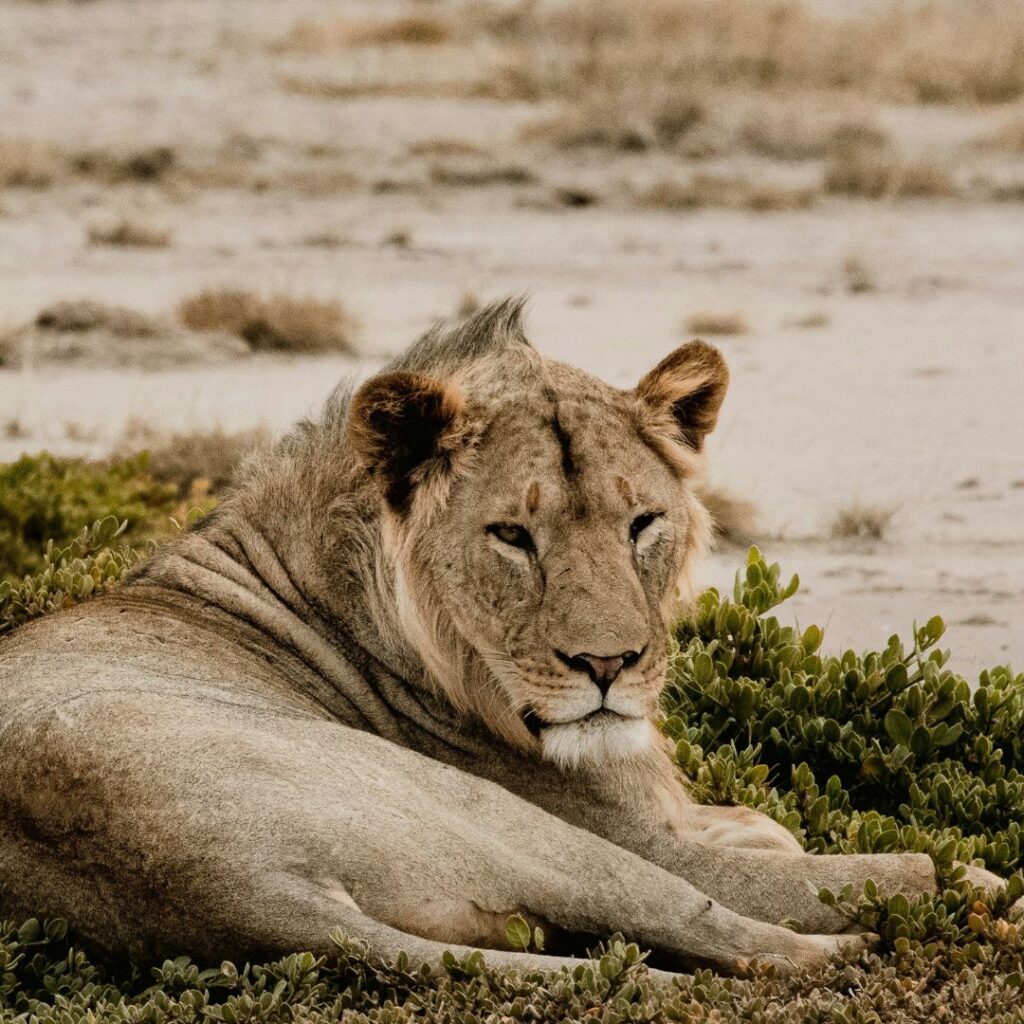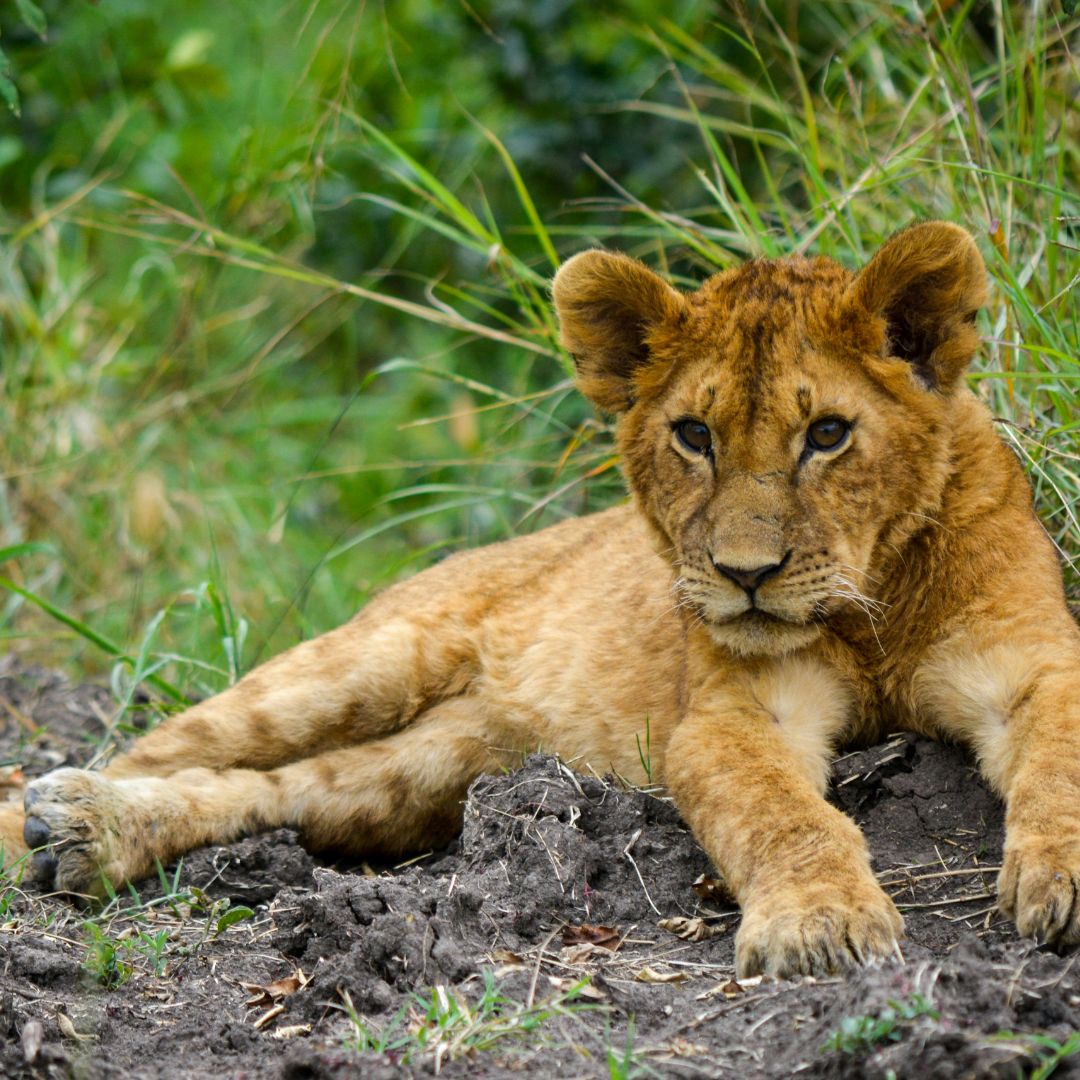

Jambo 7 Days Safari Update
7 DaysOverview
Welcome to an unforgettable adventure in the heart of East Africa! Embark on our exclusive tour that takes you through the breathtaking landscapes of Kenya.
Highlights
- Private tour
- Type of transport: - Road using a 4×4 comfortable Safari minivan or Jeep (Land Cruiser)
- The perfect experience for adventurers!
- Can start any day
- Can be customized
- A professional driver/guide
Itinerary
Day 01 :
Day 1 - 2 Nairobi to Amboseli National Park
The journey from Nairobi to Amboseli National Park is a captivating adventure through the scenic landscapes of Kenya. Starting in Nairobi, the bustling capital city, travelers embark on a roughly 4 to 5-hour road trip, covering a distance of approximately 230 kilometers (143 miles) to reach the iconic Amboseli National Park.
Amboseli is renowned for its breathtaking views of Mount Kilimanjaro, Africa's highest peak, which provides a stunning backdrop to the park's diverse ecosystems. The park is a haven for wildlife enthusiasts, offering opportunities to witness large herds of elephants, wildebeests, zebras, and other wildlife species against the backdrop of the majestic Kilimanjaro.
Visitors can engage in exciting game drives, guided by experienced rangers, to explore the park's vast plains and observe the rich biodiversity, including various bird species. The Amboseli landscape features swamps, acacia woodlands, and open savannah, creating a unique and picturesque environment.
In addition to wildlife encounters, Amboseli National Park also allows for cultural interactions with the Maasai people, who inhabit the region. The Maasai's traditional villages and vibrant cultural practices offer a unique glimpse into their way of life, adding a cultural dimension to the overall safari experience.
Overall, the journey from Nairobi to Amboseli National Park promises a blend of natural beauty, wildlife adventures, and cultural immersion, making it a memorable expedition for those seeking an authentic safari experience in Kenya.
Day 03 :
Day 3 Lake Naivasha
Lake Naivasha is a freshwater lake located in the Great Rift Valley of Kenya, approximately 90 kilometers northwest of Nairobi. It is one of the highest and most famous Rift Valley lakes, sitting at an elevation of about 1,884 meters (6,181 feet) above sea level. The lake covers an area of around 139 square kilometers and is known for its picturesque beauty and diverse ecosystems.
Surrounded by lush vegetation and acacia woodlands, Lake Naivasha is a haven for a rich variety of bird species, including African fish eagles, pelicans, and cormorants. The lake is also home to a diverse range of wildlife, such as hippos, zebras, giraffes, and buffalo, which can be spotted in the adjacent Hell's Gate National Park.
The lake serves as a crucial stopover point for migratory birds along the East African Rift, making it a popular destination for birdwatchers. Additionally, Lake Naivasha is a popular recreational spot, offering opportunities for boat safaris, fishing, and nature walks. The surrounding area has become a hub for horticulture and floriculture, contributing to the region's economic activities.
Despite its scenic beauty, Lake Naivasha faces environmental challenges, including pollution and the invasion of invasive plant species, such as water hyacinth. Conservation efforts are ongoing to protect and preserve the ecological balance of this unique East African lake.
Day 04 :
Day 4 - 5 Lake Nakuru National park
Lake Nakuru National Park is a renowned wildlife reserve located in central Kenya, approximately 170 kilometers northwest of Nairobi. The park, established in 1961, surrounds the picturesque Lake Nakuru, a shallow soda lake that attracts vast numbers of flamingos, making it a popular destination for birdwatching enthusiasts. The park's diverse ecosystem includes grasslands, woodlands, and the lake itself, providing a habitat for a wide variety of wildlife.
Apart from flamingos, Lake Nakuru National Park is home to numerous bird species, including pelicans, eagles, and other waterfowl. The park also boasts a rich population of both black and white rhinoceros, making it one of the best places in Kenya to observe these endangered species. Other notable residents include lions, leopards, giraffes, zebras, and various antelope species.
The stunning landscapes, combined with the diverse flora and fauna, make Lake Nakuru National Park a popular destination for safari enthusiasts and nature lovers. In addition to game drives, visitors can enjoy the panoramic views of the lake, take guided walks, and immerse themselves in the natural beauty and biodiversity of this Kenyan conservation area.
Day 04 :
Day 6-7 Maasai Mara National Reserve
Masai Mara National Reserve is a renowned wildlife conservation area located in southwestern Kenya, adjacent to the Tanzanian border. Covering an area of approximately 1,510 square kilometers, the reserve is named after the Masai people and the Mara River, which runs through it.
The Maasai Mara is celebrated for its extraordinary biodiversity and is home to a wide array of wildlife, including the "Big Five" – lions, elephants, buffalos, leopards, and rhinoceroses. It is also a crucial habitat for various other species of mammals, birds, and reptiles.
The reserve is particularly famous for the annual Great Migration, one of the most spectacular wildlife events on the planet. Millions of wildebeest, zebras, and other herbivores migrate from the Serengeti National Park in Tanzania to the Masai Mara in search of greener pastures, providing breathtaking scenes of mass movement and dramatic river crossings.
Tourists flock to the Maasai Mara to witness this natural spectacle and to partake in safaris, which offer a unique opportunity to observe wildlife in their natural habitat. The reserve is also rich in cultural significance, as it is inhabited by the Masai people, known for their distinctive customs, clothing, and traditional way of life.
FAQs
What types of safaris do you offer?
We have a safari for every passion. Our adventures range from classic wildlife safaris and specialized bird-watching tours to immersive gorilla treks and authentic cultural experiences. If you have a specific dream in mind, we’ll design a custom journey just for you, anywhere in East Africa.
What is your cancellation and refund policy?
Our cancellation policy varies depending on the specific package. We provide all the details during the booking process to ensure you’re fully informed and will always do our best to offer flexible solutions.
How safe is it to travel to East Africa?
Your safety is our top priority. We follow strict safety protocols, work with seasoned, professional guides, and partner with reputable accommodations and transport providers to ensure you’re secure and comfortable at every step of your journey.
What do I need when traveling for a Safari?
When packing for your safari, think lightweight and practical. We suggest you bring neutral-colored clothing, comfortable walking shoes, a hat, and plenty of sunscreen and insect repellent. Binoculars and a camera are also a must to capture all the incredible sights. Don’t worry about trying to guess everything; we’ll send you a detailed packing list as soon as you book your trip.
Which countries can I explore with Bunga Safaris?
Do your packages cater for kids?
Do you offer group or private safaris?
No matter if you’re traveling solo, with a partner, as a family, or in a group, we can tailor any package based on your needs.
Do you offer airport pick-up and drop-off services?
For your convenience, every one of our safari packages includes airport transfers.
Can I book a custom package?
When is the best time I can travel?
While safaris are incredible year-round, the ideal time to visit depends on what you want to see! Generally, the dry seasons, from June to October and again from December to February, are considered prime time. During these months, the vegetation is sparser, and animals gather around limited water sources, making them easier to spot.
What if I have some diet concerns?
Don’t worry about that. Please inform us in advance of any dietary restrictions or allergies. We will work with the safari camps and lodges to ensure your meals are prepared to meet your specific needs.
Do I need to be concerned with park fees and relevant permits?
Yes, unless specified otherwise, all of our packages cover park entrance fees and necessary permits.